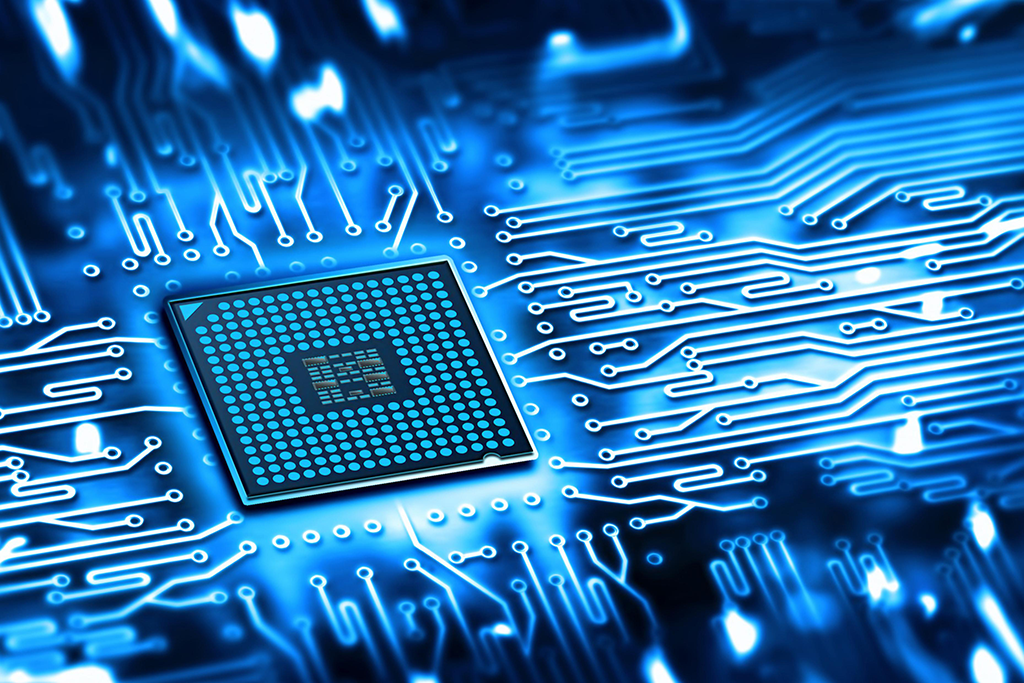
If you are interested in semiconductor technology, you have probably wondered: “Why is the chip-making process so clean and precise that not even a speck of dust can get through?”
The reason is very simple: in the semiconductor industry, everything must be accurate down to the smallest detail, and to achieve that, factories rely not only on engineers but also on the perfect coordination between PLC and HMI.
In this blog post, I will explain these two concepts - which may sound academic in the simplest way possible, so anyone can understand the overall picture of the control system in chip manufacturing. Let’s get started!!!
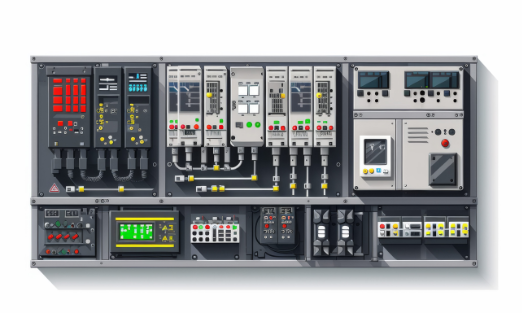
 1. Programmable Logic Controller (PLC) - “The Silent Brain”
It is the brain or specialized industrial computer designed to control processes and machines in factories with extremely high reliability and speed. You can understand the role of a PLC as follows:
- -A PLC receives input signals from sensors, switches, or measuring devices (such as temperature or pressure).
- -Based on the program you have written, the PLC makes decisions.
- -It sends commands to actuators, for example robot arms, motors, valves, or turning a furnace on/off.
Example: In your washing machine, the control boards inside deciding when to drain water, when to spin, and when to rinse - are basically a mini version of a PLC.
 2. Human-Machine Interface (HMI) - “The Face” and “The Voice”
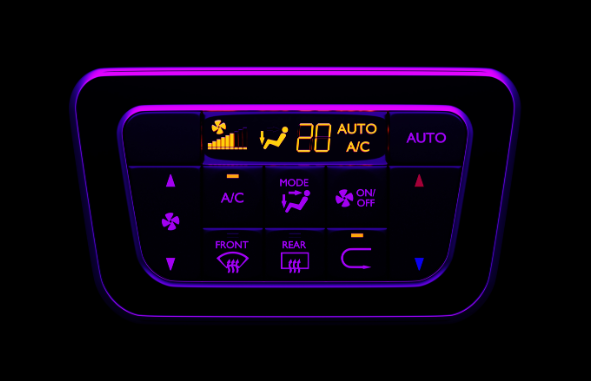
In a sealed cleanroom environment, where people cannot directly touch the machines, the HMI serves as the only interface. It is usually a touchscreen that displays all machine statuses:
- -Green: The system is operating normally.
- -Yellow: Warning, for example: chemicals are running low.
- -Red: Serious alarm, for example: furnace temperature exceeds the limit.
HMI helps engineers reduce mistakes because they do not need to look at physical signal lights - instead, they have a clear and intuitive interface. A particularly important feature is Access Control, ensuring that only authorized engineers can change critical parameters of the chip production line.
Example: In a washing machine, the buttons, the display showing the remaining time, and the indicator lights - that is the HMI.
 3. The necessity of PLC and HMI in real life
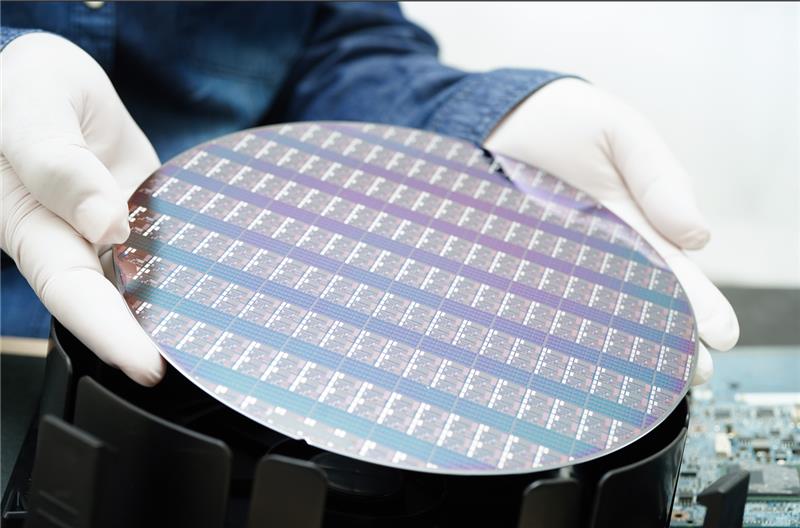
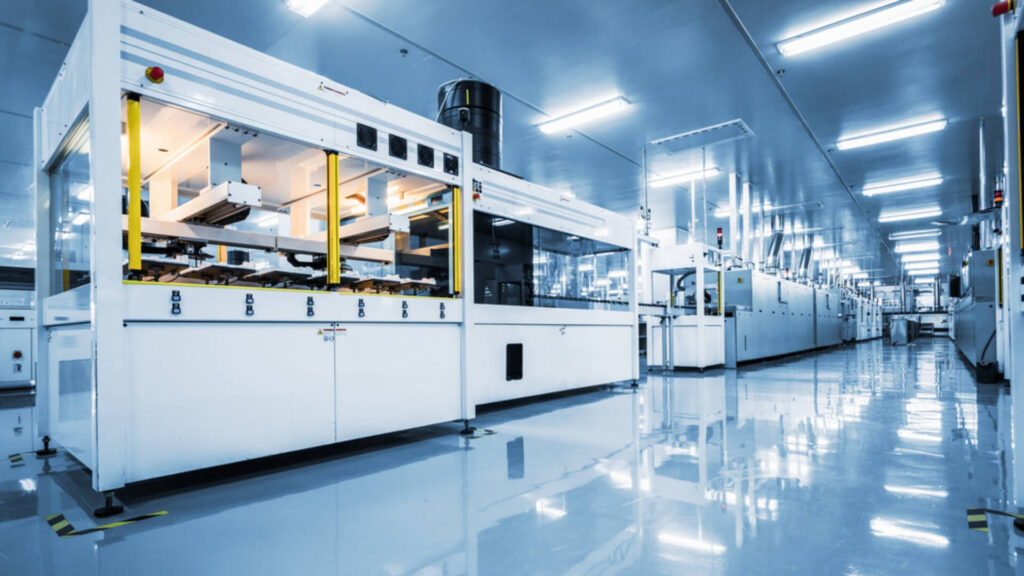
The semiconductor industry is an industry of absolute precision. A single speck of dust can ruin an entire wafer worth tens of thousands of USD. In a cleanroom, where everything must stay stable every second, the automation, accuracy, and repeatability of the PLC and the intuitiveness of the HMI ensure that:
-robots operate with X-mm precision
-temperature is always kept stable
-pressure is always at the right level
-issues are handled quickly
-human errors are reduced
 In summary,
- PLC is the “brain” that keeps every step of chip production perfectly accurate.
- HMI is the “face” that allows engineers to interact naturally with the entire system.
This duo helps semiconductor production lines operate smoothly and reliably. But this is only the beginning. In the semiconductor line, especially in the chip packaging stage, everything becomes much more “sophisticated.” This is when robots need to move fast - accurately – smoothly like ballet, and each product has its own production recipe.
That is why in the next post I will share about:
- Motion Control – the secret that helps robots “dance” precisely.
- Recipe on HMI – where the correct “formula” is selected for each type of chip.
See you in the next post: “Optimizing Chip Packaging: The Role of Motion Control and Recipe in HMI”
💡 Spoiler: Even though it sounds technical, I will still explain it in an easy-to-understand way with clear, full examples!
Related: Desktop to Web HMI Migration for Semiconductor Equipment – ARIS’s real-world experience